
Why Financial Literacy Programmes Fail Singapore Students
Every year, thousands of Singapore students complete financial literacy programmes with strong quiz scores and flawless worksheets. And every year, the same gap appears two weeks later: the money is spent, the budget is forgotten, and the knowledge did not produce different behaviour. This article examines why — and what a formation-focused approach actually looks like in practice.

Why Your Teenager's Money Habits Are Already Forming
The first visible financial mistake your teenager makes is rarely the beginning of the problem — it is the first time it became visible. The patterns were forming long before. Here is what is quietly raising the financial stakes for your teenager right now, and three things you can do this week while the formation window is still open.

Why Financial Literacy Doesn't Change Student Behaviour
Schools across Singapore invest real time and resources in financial literacy education. The content is often solid. Yet the behaviour rarely changes. This article examines why, and what three specific design gaps are responsible — each with a practical resolution.
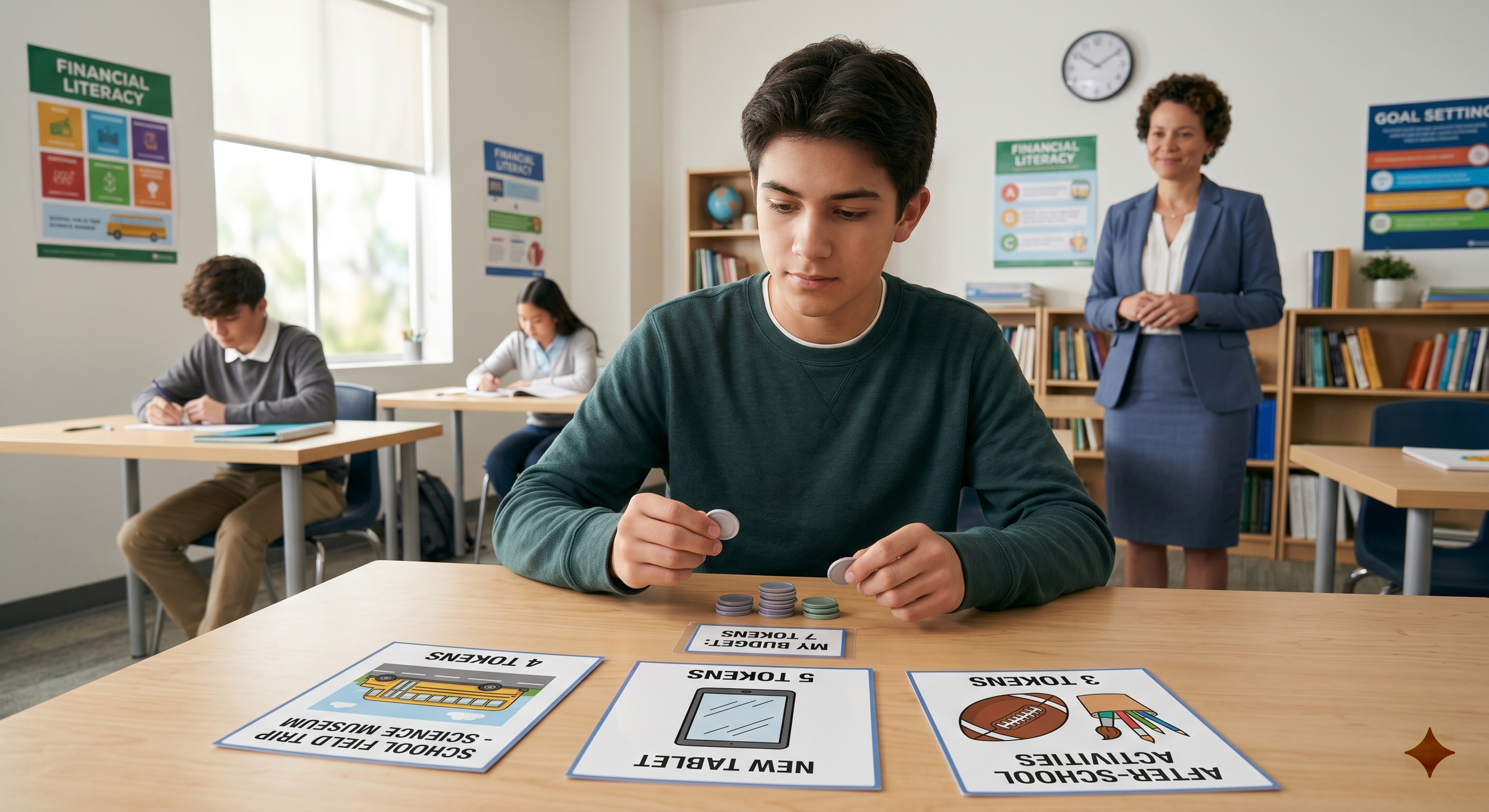
Why Financial Literacy Lessons Do Not Automatically Change Student Behaviour
Students can often explain sound money principles in class, yet make very different decisions when real choice, pressure, and trade-offs appear. The issue is often not a lack of knowledge, but a lack of behaviour formation. If schools want financial literacy to contribute to life readiness, they need to design not only for understanding, but for stewardship.
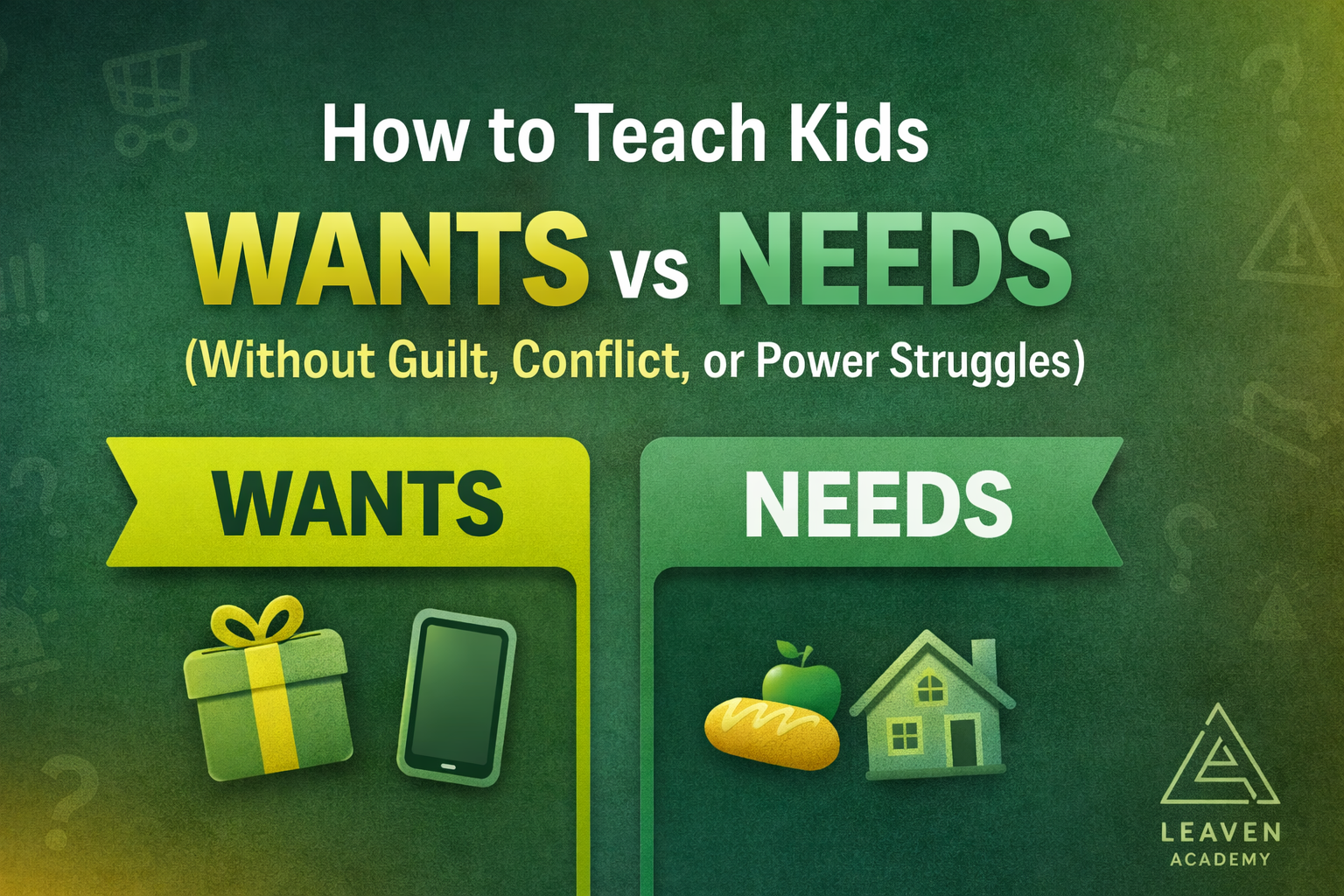
How To Teach Kids Wants VS Needs
Many parents want to teach their children the difference between wants and needs, but unknowingly create a problem in the way they explain it.
One of the most common mistakes I see is when parents frame wants versus needs as a good versus bad issue.
Needs are “good”. Wants are “bad”.
That framing is not only inaccurate — it can be dangerous.
There is nothing wrong with wanting something. At the same time, not every want should be fulfilled immediately. Teaching children wants versus needs is not about morality. It is about decision hierarchy and priority.