
Personal Development · Ngee Ann Polytechnic · May 2026
Year 1 and Already Overwhelmed: What Happened When We Stopped Telling Students About Change and Let Them Experience It Instead
Nobody warns you about the silence.
Not the literal kind. Polytechnic life is anything but quiet. But the silence that comes when the structure of secondary school disappears and suddenly, nobody is chasing you for homework, nobody is telling you where to be, and the friends you had for the last four years are scattered across different institutions.
For many Year 1 students at Ngee Ann Polytechnic, that silence is where the struggle begins. Not because they are incapable. But because nobody has given them the tools to sit with uncertainty and come out the other side stronger.
That is what this programme was built for.
What Ngee Ann Poly Needed
Ngee Ann Polytechnic's Student Development Office knew their students were struggling with the transition into poly life. The academic jump was part of it. But the deeper issue was behavioural. Students who froze under pressure, withdrew from group work, or simply did not know how to read themselves when things got hard.
They had tried more traditional approaches. What they needed was something that would get students out of their heads and into an experience. Something that would let them discover their own patterns rather than being told about them.
They came to Leaven Academy.
How We Designed It
We did not open with a slide deck about resilience.
Instead, we built the session around three questions that every poly student quietly carries but rarely gets to examine out loud.
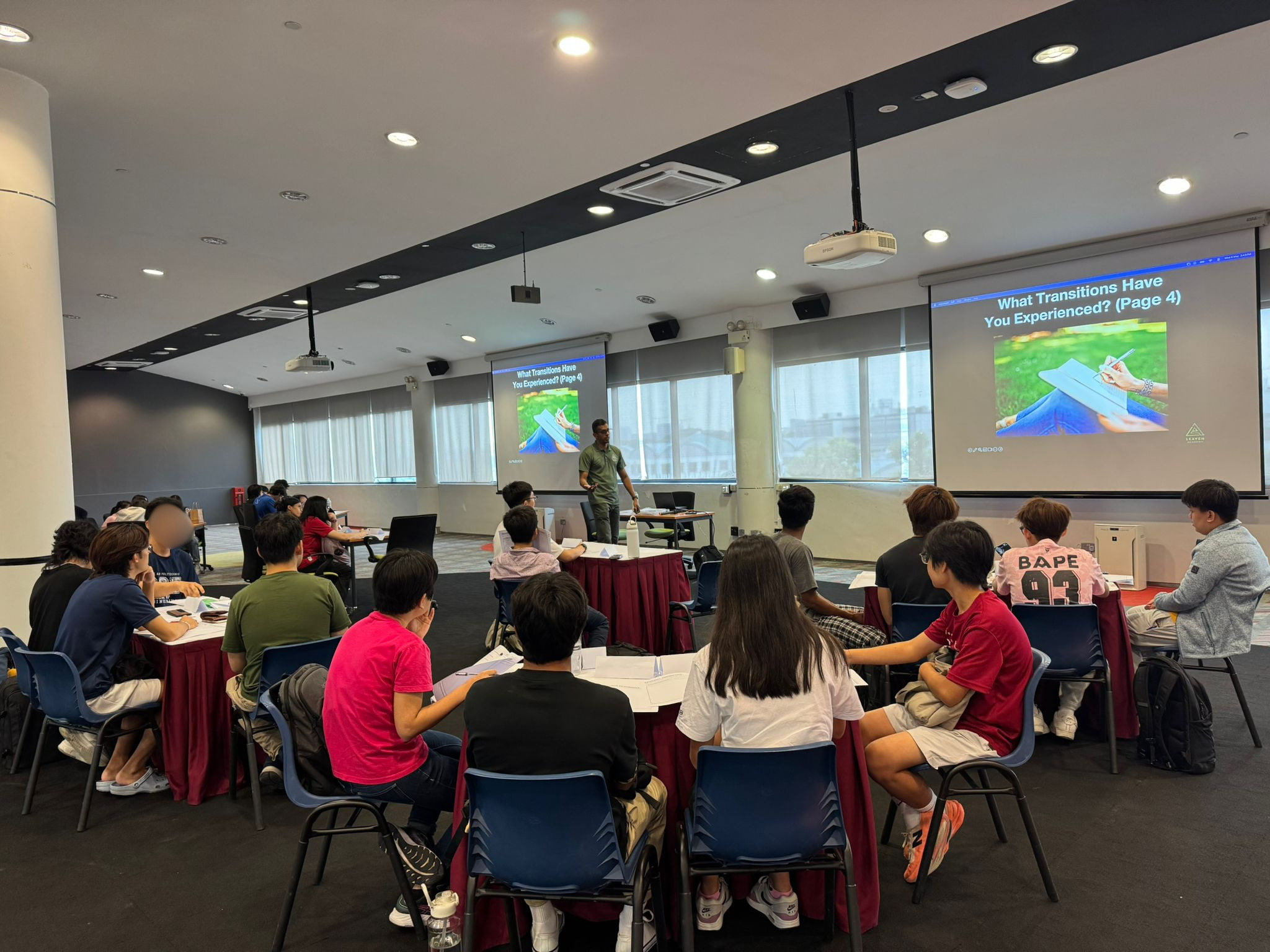
Where am I now? Before anything else, participants took stock of the transitions already happening in their lives. Academic pressure, new friendships, greater independence, the loss of familiar routines. For some students, it was the first time they had named what they were actually going through.
How do I respond when things change? We placed students into a group challenge with shifting goals, incomplete information, and no single right answer. It mirrored real life situations where you cannot wait for certainty before you act.
What if change is not the enemy? The second activity flipped the lens entirely. Students discovered that the very disruption they had been navigating was also the condition that allowed new strengths to surface.
Everything was grounded in Kolb's Experiential Learning Cycle. Do it first, then make sense of what happened.
The Moment That Mattered Most
Midway through the session, we ran a structured peer feedback round. Each participant received specific observations from their teammates. Not vague encouragement, but actual behavioural feedback on how they showed up under pressure.
For many students, this was new territory. They had never heard from a peer, in a guided setting, exactly how their behaviour landed on others during a stressful situation. Some were surprised. Some were quietly moved. A few said it was the most useful part of the whole day.
That moment, when a student stops performing for the room and starts genuinely reckoning with what they discovered about themselves, is what we design the whole session to reach.
Every participant left with a written personal action plan. Not a worksheet. A real commitment, in their own words, to how they would approach the transitions ahead of them.
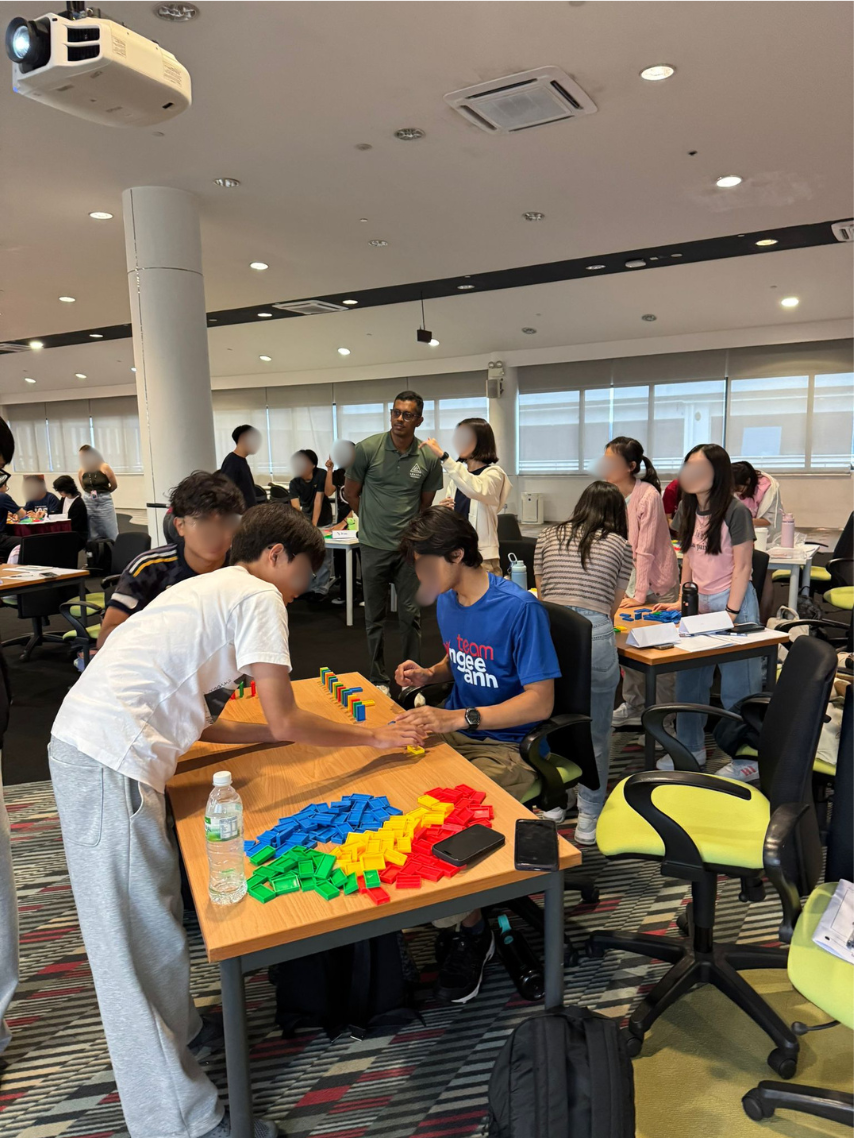
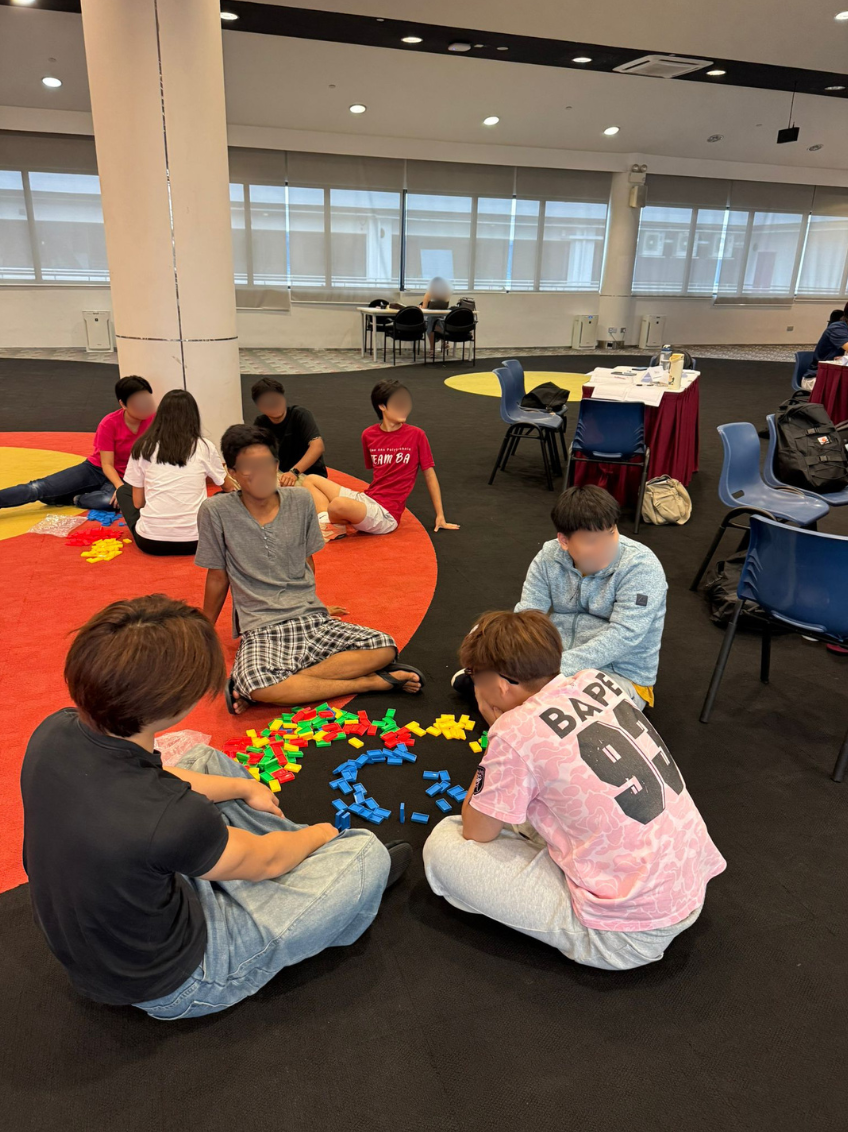
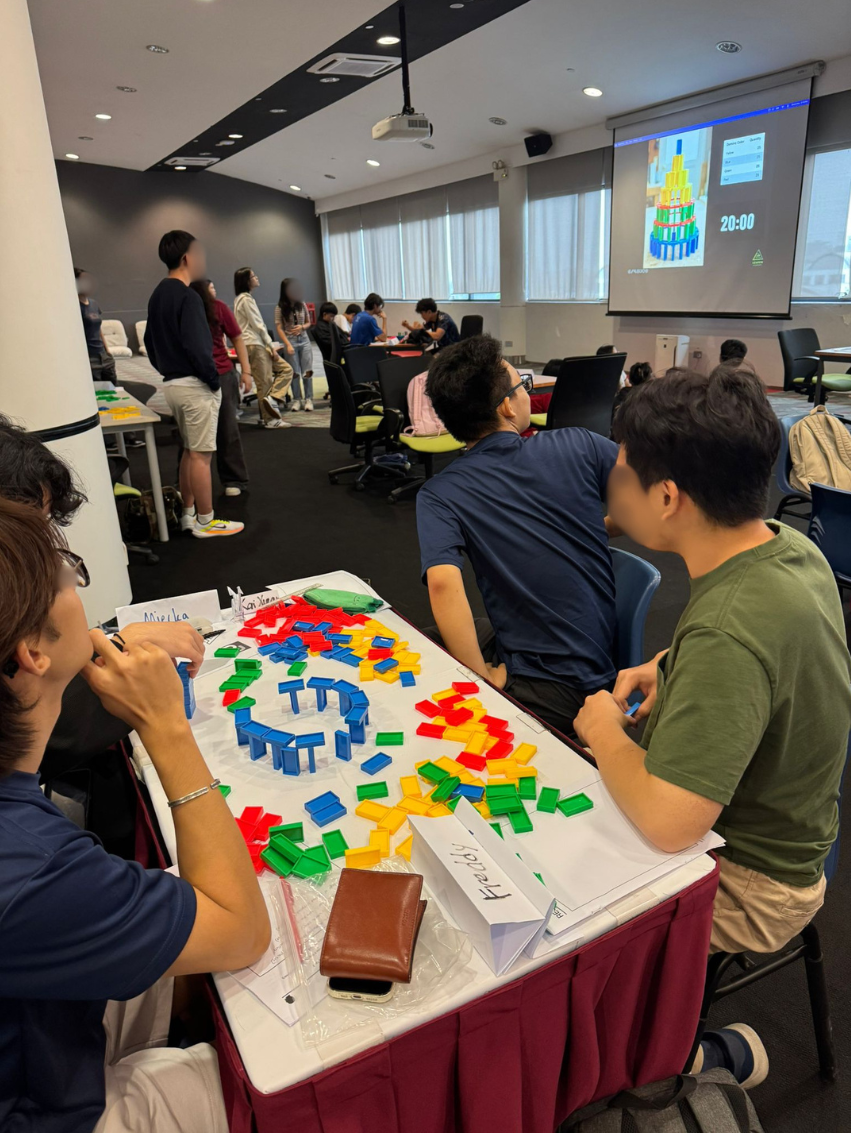
Participants fully engaged during the workshop
What the Numbers Said
All 32 participants completed the post-programme evaluation. Here is what they reported.
Understanding of personal response to change and stress (75.0%)
Emotional agility when dealing with changes and transitions (76.3%)
The art of pivoting when facing change (74.4%)
Tools to regulate stress when under high pressure (71.9%)
Overall benefit from the programme (77.5%)
Overall programme effectiveness: 75.0%
Coach effectiveness: 93.1%
22 out of 32 participants gave the coach the highest possible rating for clarity and delivery.
Three Things That Made the Difference
Experience before explanation. Students were in the activity before they understood what it was teaching them. When the debrief came, the insights were grounded in something each student had just lived through, not theory pulled from a slide.
Real feedback, not just reflection. Hearing from a peer who was in the same room, under the same pressure, is a different kind of mirror altogether. We built that into the session deliberately, and the results reflected it.
The session ended with a decision, not a feeling. Every participant left having written down, in their own words, what they were going to do differently. That is the bridge between a good workshop and a lasting one.
Thinking About Something Similar for Your Students?
We work with polytechnics, ITE colleges, junior colleges, and secondary schools across Singapore. Every programme we design starts with your students. Their age, their reality, what they are actually struggling with. And then we work backwards from there.
To find out more about our Personal Development workshops for polytechnics and ITE colleges, visit our personal development programme page.
“The activities are very fun. It’s very engaging and interactive.”
“A welcoming and encouraging environment to get to know other people and reflect on yourself.”
“I can feel that the programme helped me.”