
Leadership Communication · Spin Up! · June 2026
When Student Leaders From Different Schools Are Put in the Same Room: What Happens When Communication Is the Only Common Language
They did not know each other.
That was the point.
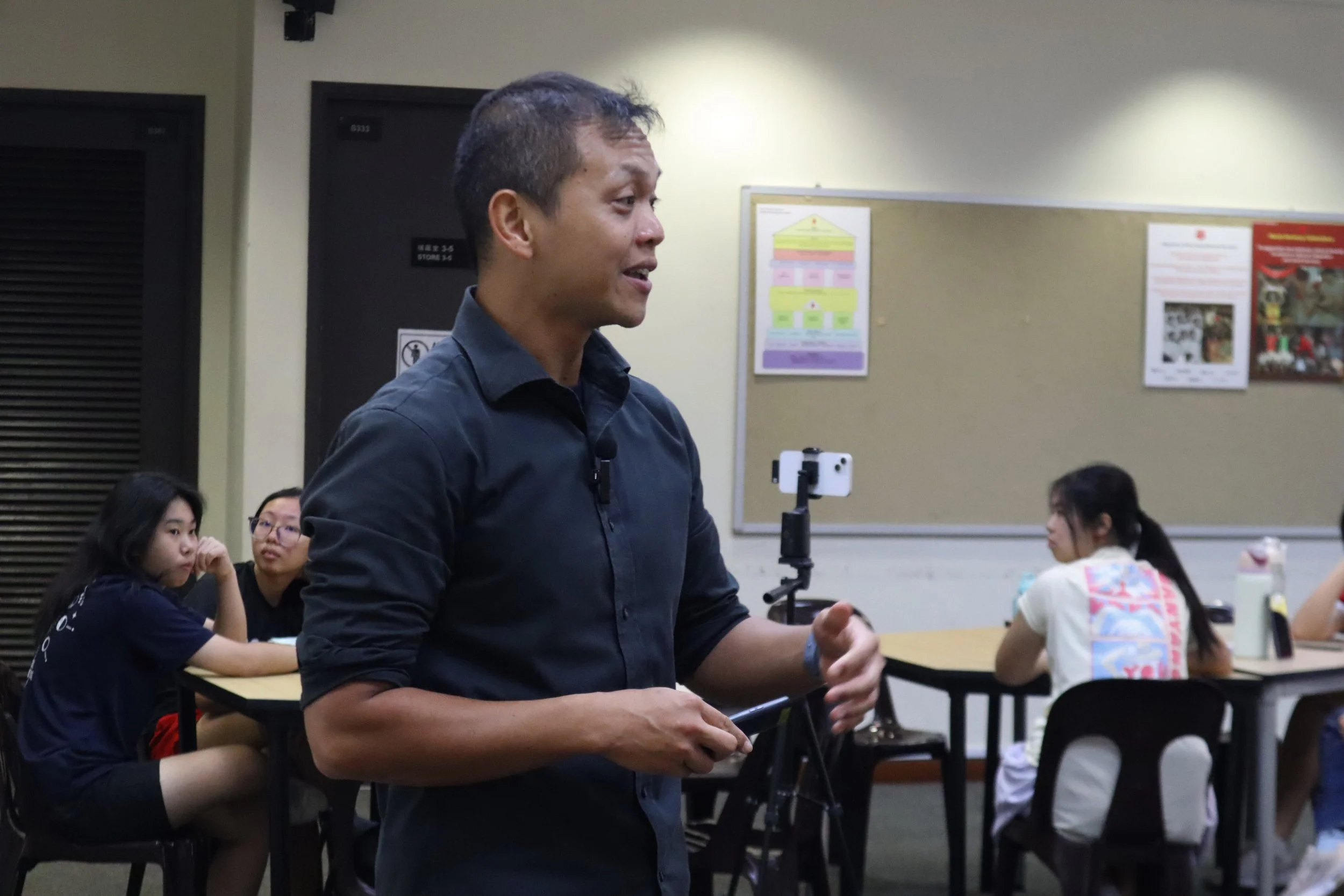
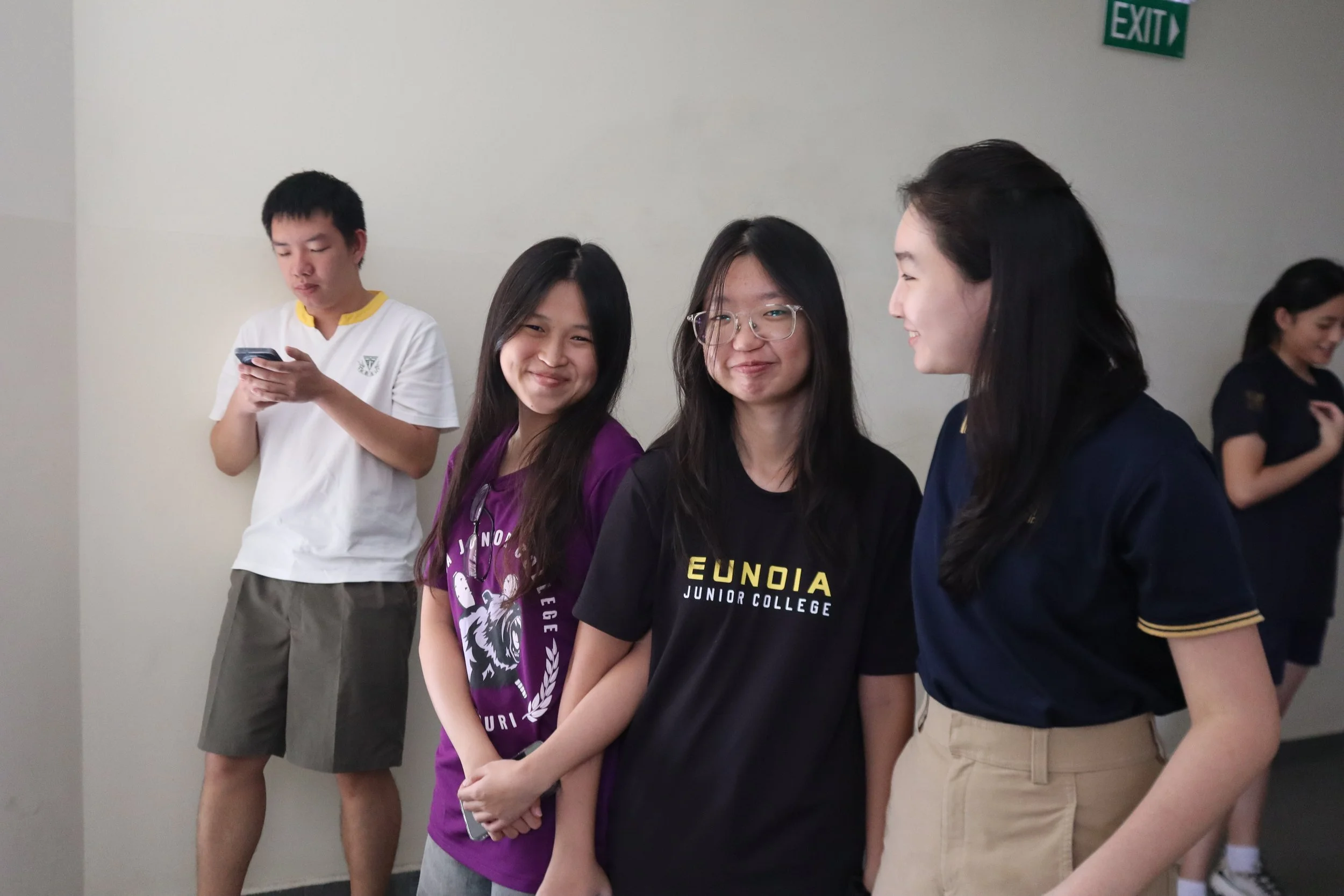
Spin Up! brought together student leaders from different schools across Singapore for a 90-minute workshop on leadership communication. Different uniforms, different cultures, different ways of speaking. The only thing they had in common was a seat in the same room and a task that required them to work together.
That is exactly the kind of environment where real communication skills either show up or fall apart.
What Spin Up! Needed
Student leadership programmes in Singapore do well at building school-level confidence. What they do less often is put student leaders into genuinely unfamiliar social territory and ask them to communicate under that pressure.
Spin Up! wanted something different for this cohort. Not a talk about communication. Not a worksheet about public speaking. An experience that would give student leaders two things they could actually use: a framework for speaking with clarity and presence, and a tool for navigating the conflict that inevitably arises when teams work under pressure.
They engaged Leaven Academy to design and deliver exactly that.
How We Designed It
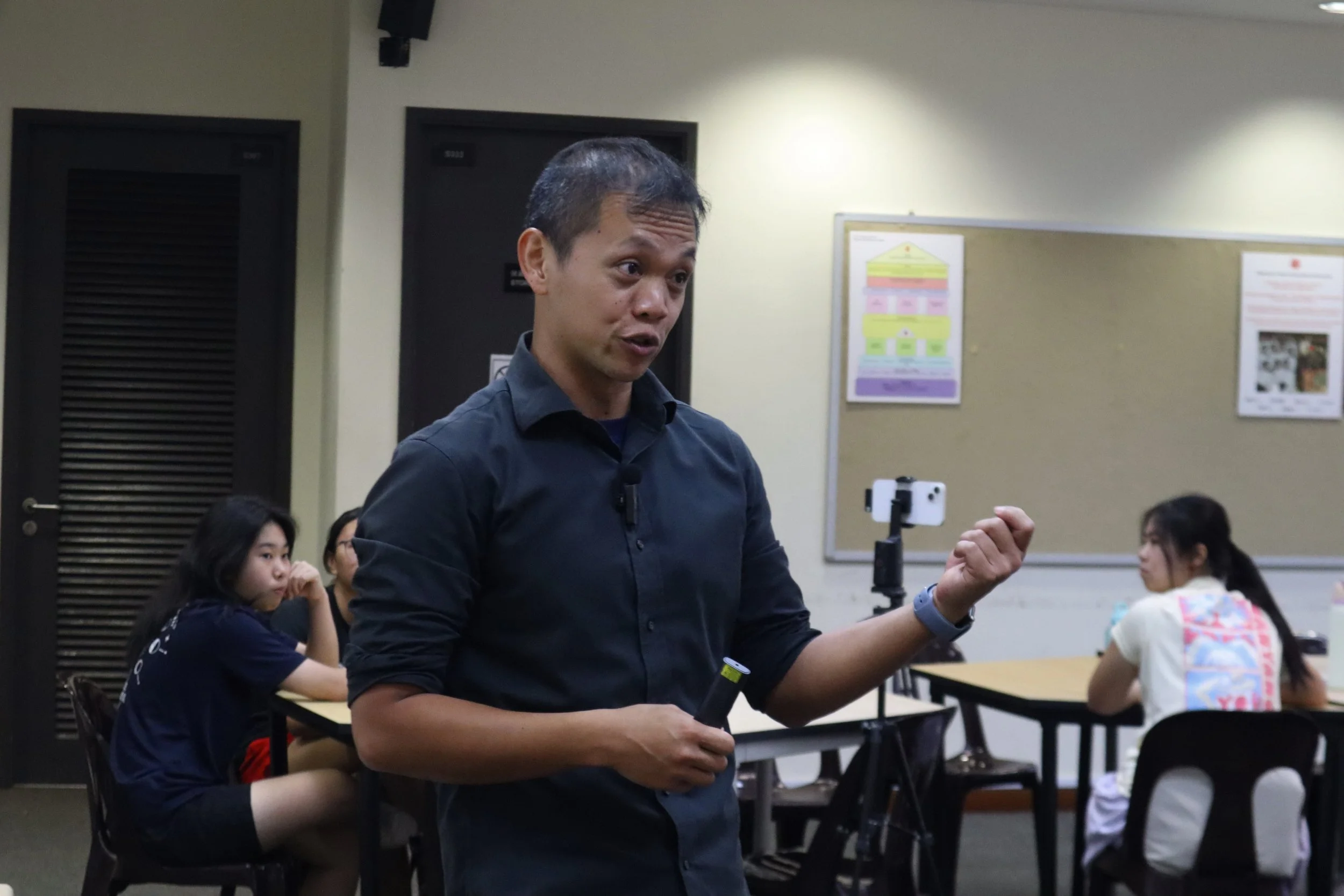
The session ran for 90 minutes and was structured around two practical frameworks, each introduced and then immediately put to the test.
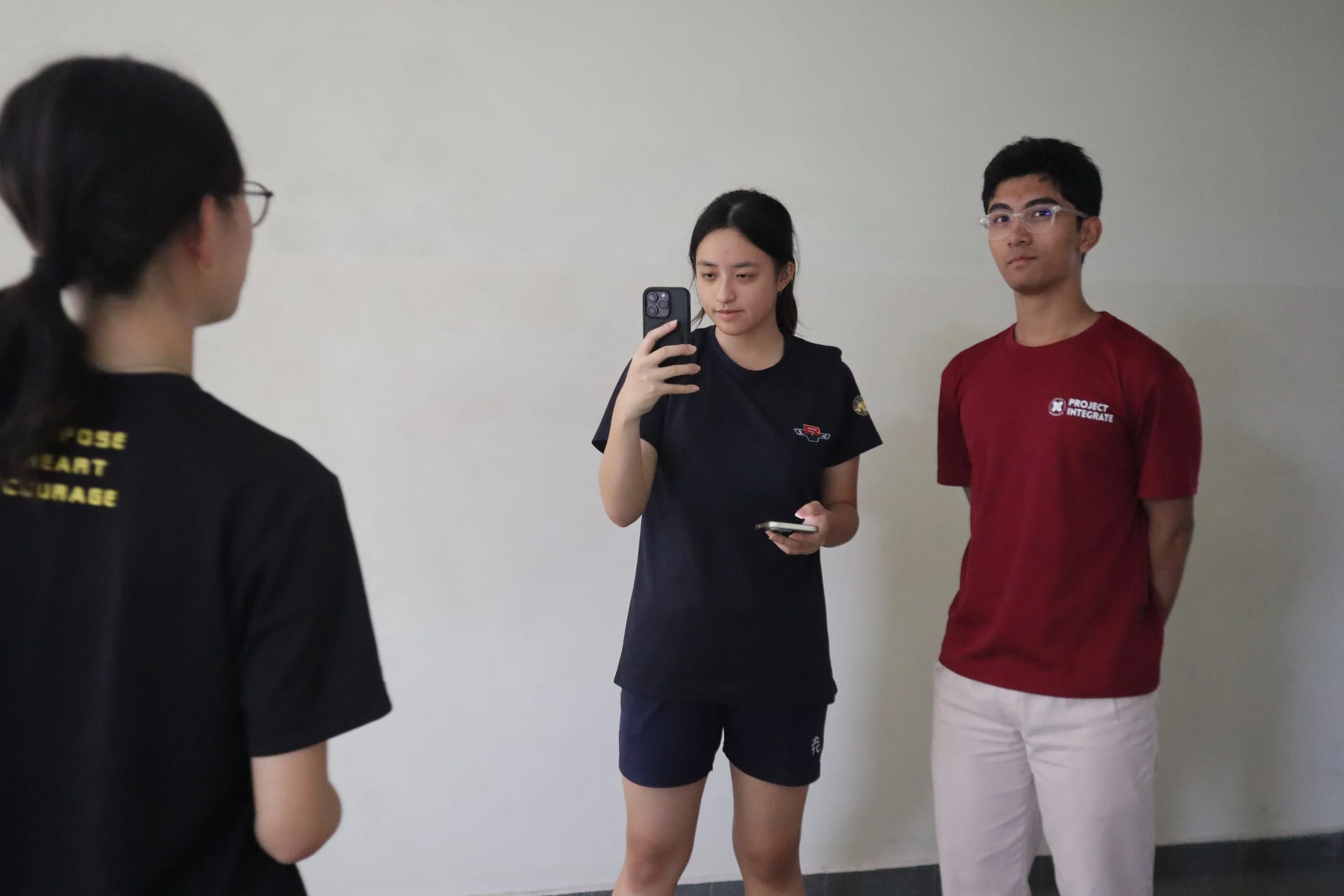
The first was the 3Vs of Leadership Communication: Verbal, Vocal, and Visual. Rather than explaining the framework on a slide and moving on, each participant delivered a 60-second leadership communication while a peer recorded them on their mobile device. They then watched themselves back and gave each other specific feedback using the 3Vs as the lens. Not general encouragement. Specific, observed, behavioural feedback.
The second was C.U.R.E.S, a structured approach to navigating team conflict. Groups role-played a conflict scenario with rotating roles, so every participant had to lead the conversation at least once while being recorded and observed. The debrief focused not on who handled it well, but on which specific steps of C.U.R.E.S were visible and which were missing.
Both frameworks followed Kolb's Experiential Learning Cycle: introduce the concept, test it immediately in a concrete experience, then reflect on what the evidence actually showed. The learning was in the doing, not in the slides.
The Moment That Mattered Most
There is a particular kind of quiet that falls over a room when a student watches themselves on video for the first time.
Not embarrassment, exactly. More like recognition. The gap between how they thought they came across and what the recording actually showed them is often the most powerful learning of the entire session. It does not require a facilitator to point anything out. The student sees it for themselves.
That moment, repeated across every participant in the room, is what makes the record-and-review method work. It removes opinion from the feedback loop. The evidence is right there on screen.
What Participants Said
Feedback from participants was immediate and direct.
"Very good lesson, would recommend" was one response. Another participant noted they had learned how to calm down during conflict and how to do public speaking properly using the 3Vs. A third described the speaker as engaging and fun in a way that made the workshop better.
The Google reviews posted after the session told the same story. A 4.8 rating across 10 reviews, with participants from multiple schools leaving unsolicited responses within 24 hours of the programme ending.
Three Things That Made the Difference
Frameworks before feelings. Students often leave communication workshops feeling inspired but unable to articulate what changed. The 3Vs and C.U.R.E.S gave participants specific language to describe what good communication looks like. That specificity is what makes feedback useful rather than vague.
Recording as the honest mirror. Peer feedback is valuable. Self-review of actual footage is something else entirely. When a student watches their own 60-second delivery and notices their vocal tone dropped exactly where their confidence did, no facilitator needs to explain that. The insight is already there.
Mixed schools as a feature, not a problem. Bringing together student leaders who did not know each other meant participants could not rely on social shortcuts. They had to communicate with people they had no shared history with. That is closer to the real world of leadership than any within-school workshop can replicate.
Thinking About Something Similar for Your Students?
Leaven Academy works with schools, polytechnics, ITE colleges, and youth organisations across Singapore. Every programme is designed around what your students actually need, not a recycled agenda from a previous engagement.
To find out more about our Leadership and Communication workshops for student leaders, visit our student leadership programme page or communication workshop page.
“Very good lesson, would recommend”
“I learned how to calm down when getting conflict and how to do public speaking properly with the 3 Vs.”
“The speaker was engaging and fun and it made the workshop better.”