

The Student You Remember Is Not Always The Student You Can Trust
Every staffroom knows it privately: the charismatic student everyone recalls from assembly is not necessarily the one who can be trusted to keep a deadline. Ask any selection panel who they would rely on to lock up after a late CCA session, and the name that comes back is often not the name on the badge. Schools default to charisma as a proxy for capability, because charisma is visible and capability is not.

How to Develop Leadership Skills in Youth: Why Responsibility Is the Real Test
Most student leadership selection relies on high-visibility moments like interviews and assembly speeches. However, confidence on stage rarely predicts whether a student will follow through when nobody is watching. This article explores why visibility is not trustworthiness and introduces a four-signal framework for Singapore educators, Heads of Department (HODs), and school leaders to test genuine responsibility before assigning leadership roles.

The High-Achiever Paradox: Why Financial Literacy Fails Without "The Maturity Margin"
We are producing students who are academically capable of passing a math test but biologically incapable of resisting an impulse. This article explores why the traditional "information-first" approach to financial literacy is failing and introduces a framework for building genuine maturity in a frictionless digital world.
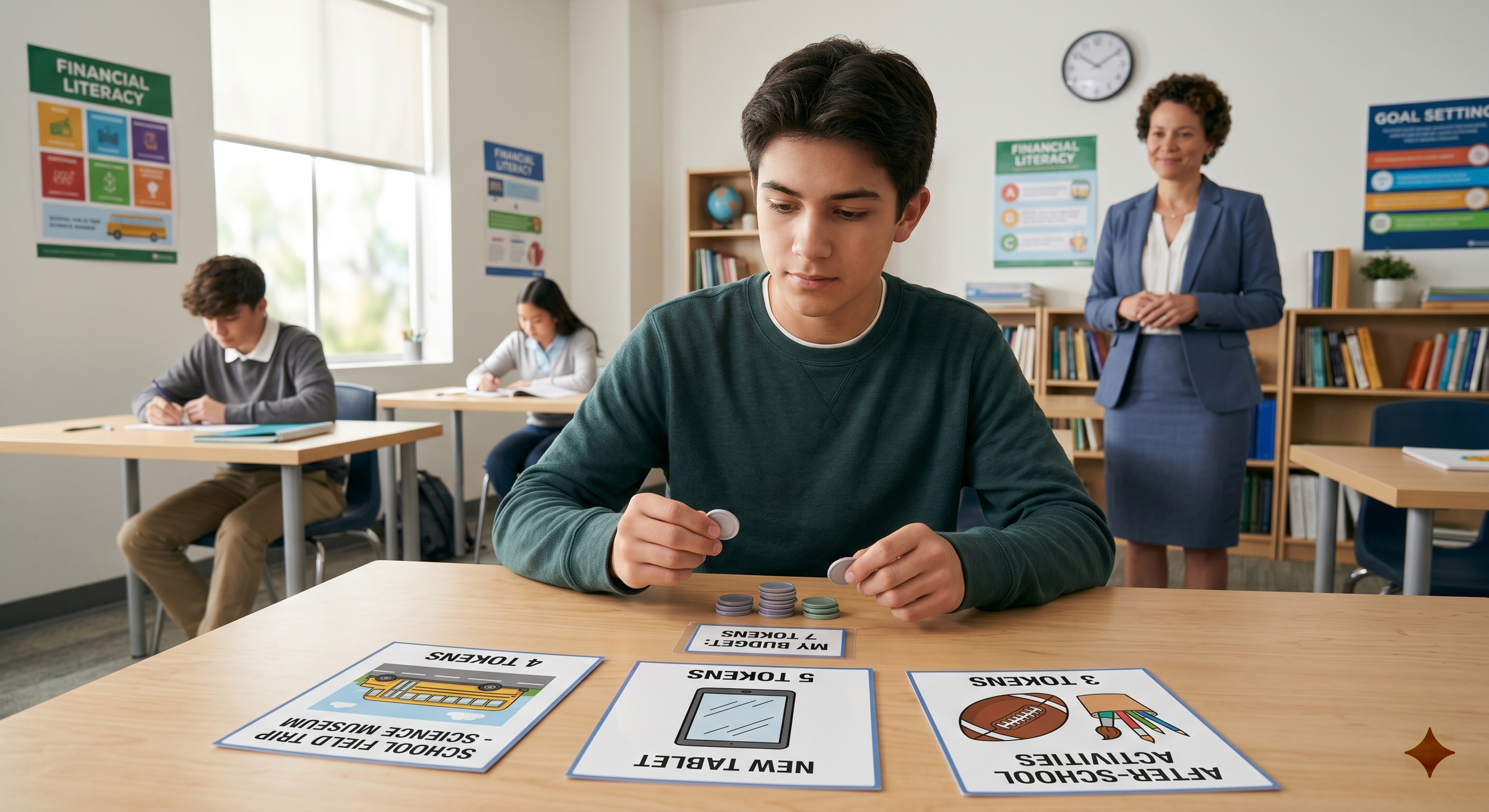
Why Financial Literacy Lessons Do Not Automatically Change Student Behaviour
Students can often explain sound money principles in class, yet make very different decisions when real choice, pressure, and trade-offs appear. The issue is often not a lack of knowledge, but a lack of behaviour formation. If schools want financial literacy to contribute to life readiness, they need to design not only for understanding, but for stewardship.